Enpass
- Password Encryption
- Offline Access
- Zero-Knowledge Architecture
Privacy-focused password manager that keeps your vault on your own device for offline use, with sync through the cloud storage you choose.
Enpass vs TeamPassword compares a privacy-focused personal password manager with a team collaboration tool. Enpass gives individuals full control of their data, with local-only storage or sync they manage themselves.…
Privacy-focused password manager that keeps your vault on your own device for offline use, with sync through the cloud storage you choose.
Password manager for teams that need to share logins securely, with group management and SOC 2 compliance for businesses.
Enpass vs TeamPassword compares a privacy-focused personal password manager with a team collaboration tool. Enpass gives individuals full control of their data, with local-only storage or sync they manage themselves. TeamPassword does one thing: business password sharing for small teams.
Security Approach: Enpass uses AES-256 encryption with local storage or sync through your own cloud accounts, putting individual privacy first. TeamPassword uses AES-256 with zero-knowledge architecture built around team access controls. They are made for different jobs: personal privacy for Enpass, team sharing for TeamPassword.
Target Use Case: Enpass is for privacy-conscious individuals who want control of their data and flexible sync. TeamPassword is only for small business teams (2-10 people) that need shared password management. The audiences don't overlap.
User Experience: Enpass has a utilitarian interface for individuals, with privacy controls and sync settings. TeamPassword's interface is built for business, set up around shared password groups and team management. For personal privacy, Enpass makes sense. For business teams, TeamPassword's focus fits.
Feature Differences: Enpass is stronger on personal privacy features: local storage, flexible sync, a built-in browser and no vendor lock-in. TeamPassword is stronger on team simplicity: plain shared password management without the extra complexity of personal-use features.

| Feature | Enpass | TeamPassword |
|---|---|---|
Biometric Login | ||
Breaches in the last 5 years | ||
Browser Extensions | ||
Cross-Platform Sync | ||
Customer Support | ||
Dark Web Monitoring | ||
Emergency Access | ||
File Attachments | ||
Form Autofill | ||
Free Tier Available | ||
Offline Access | ||
Open Source Apps | ||
Password Audit | ||
Password Encryption | ||
Password Generator | ||
Password Sharing Permissions | ||
Secure Notes | ||
Secure Sharing | ||
Security Audits | ||
Security Breach Alerts | ||
Travel Mode | ||
Two-Factor Authentication | ||
Zero-Knowledge Architecture |

If you’ve ever thought “I don’t trust password managers” while reusing the same three passwords everywhere, start here.

Why each account needs its own password and how a password manager makes that easy to manage.

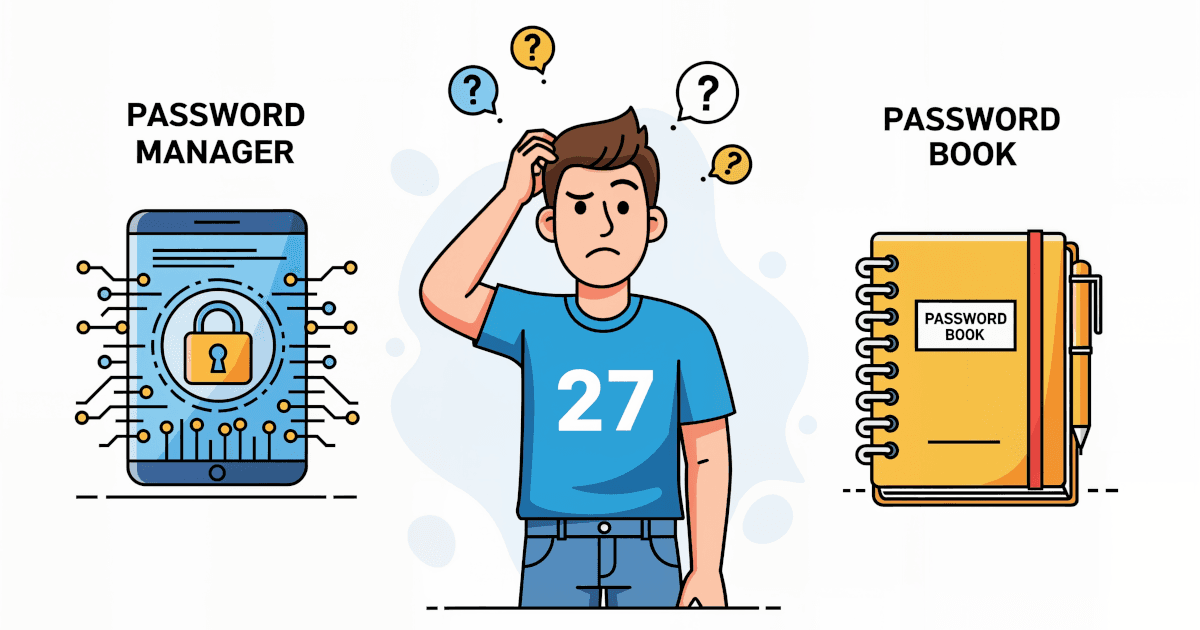
One is high-tech, the other old-school. Here is how password managers and password books compare on security, convenience, cost, accessibility and long-term use.
Password manager whose Premium plan includes Hotspot Shield VPN at no extra cost. Best suited to households that will use the bundled VPN.
Password manager built on XChaCha20 encryption and audited twice by Cure53. Its Family plan suits households that want strong security at a low price.
Advanced password manager built around powerful form filling, with secure sharing and comprehensive security features.