Featured
How Password Managers Work Across Devices
You’ve probably been told to use a password manager. The next question is how it knows your logins on your phone, laptop and tablet without exposing them to anyone else.
 Emma Rodriguez
6 min read
Tag
Every article tagged “Security”.
You’ve probably been told to use a password manager. The next question is how it knows your logins on your phone, laptop and tablet without exposing them to anyone else.
Emma Rodriguez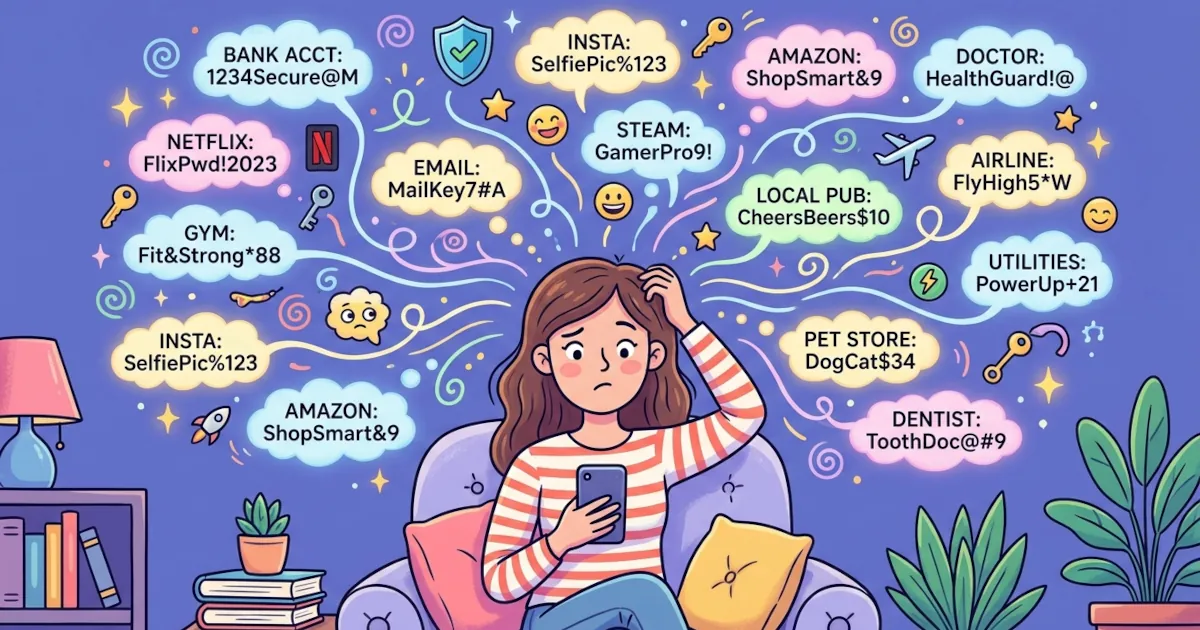
You’ve probably done it. You sign up for a new site and think, “Ugh, another password… I’ll just reuse the one I always use.”
 Sarah Mitchell
Strong passwords feel like a hassle until you get hacked. After that, they suddenly feel very important.
Emma Rodriguez
Putting all your passwords in one place sounds risky. How password managers protect your vault, and what an attacker gets when a provider is hacked.
Emma Rodriguez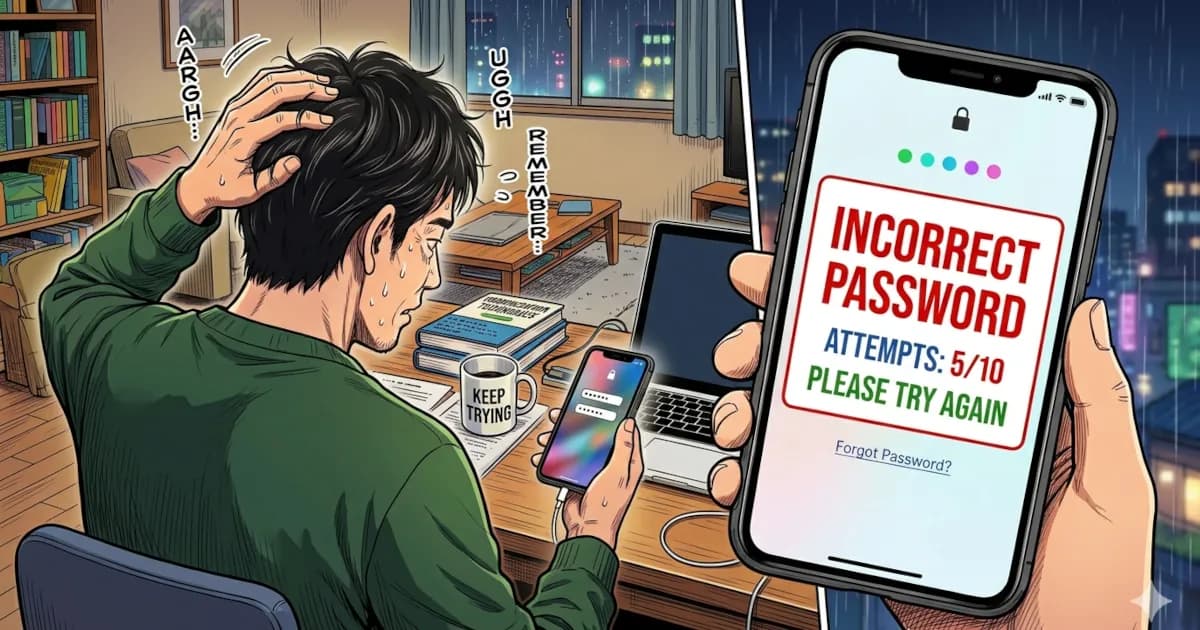
You open your laptop to log in and your brain just says: “Nope. Never seen that password in my life.”
Sarah Mitchell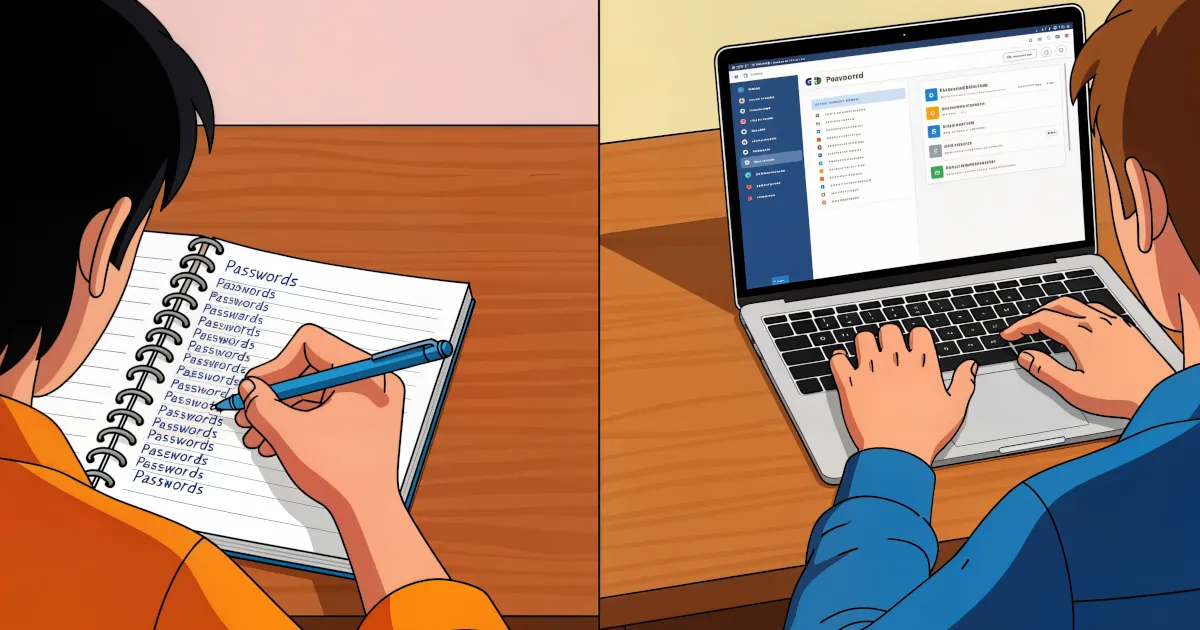
You need a password for everything: banking, email, streaming, shopping, gaming, work accounts, even your smart fridge. The list keeps growing.
Sarah Mitchell
Most of us know we should use strong, unique passwords for every account. Almost nobody does that without help.
 David Chen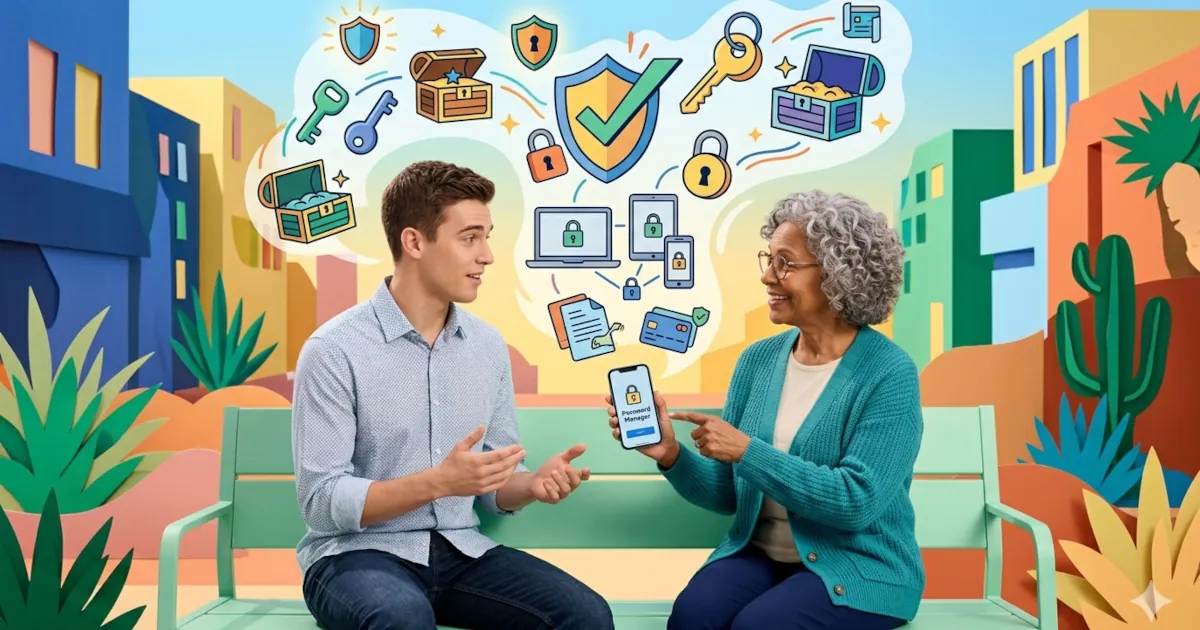
Why you should use a password manager today, explained in plain English without scare tactics or jargon. It also shows how a manager makes everyday logins easier.
Emma Rodriguez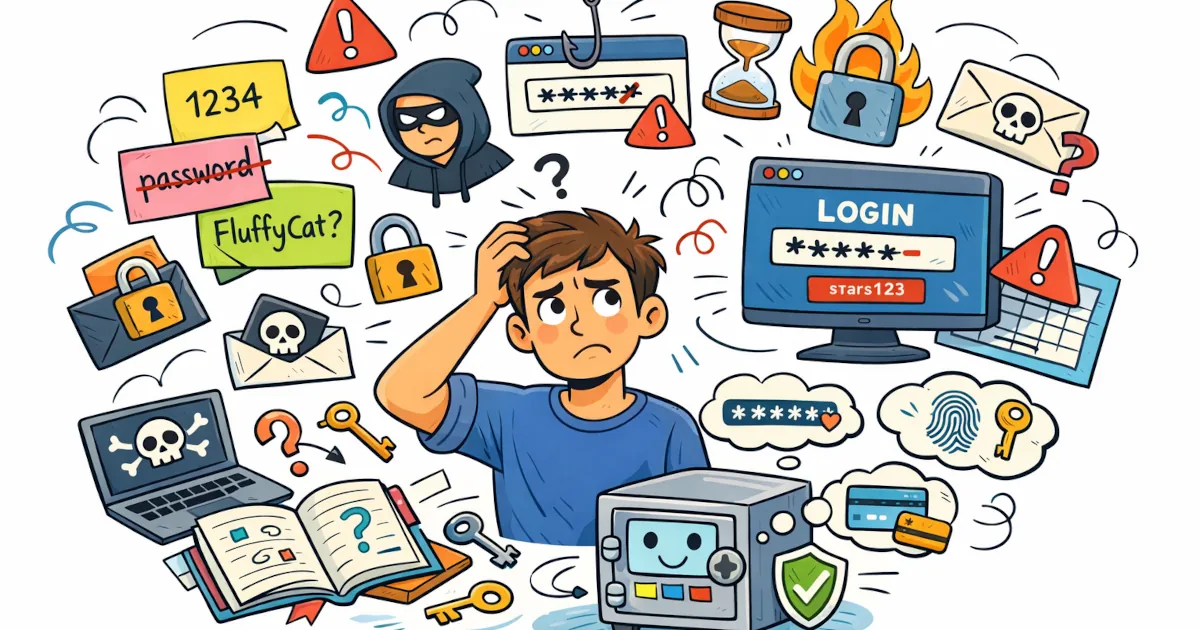
If someone told you to use a password manager and never explained what one is, this guide is for you.
Sarah Mitchell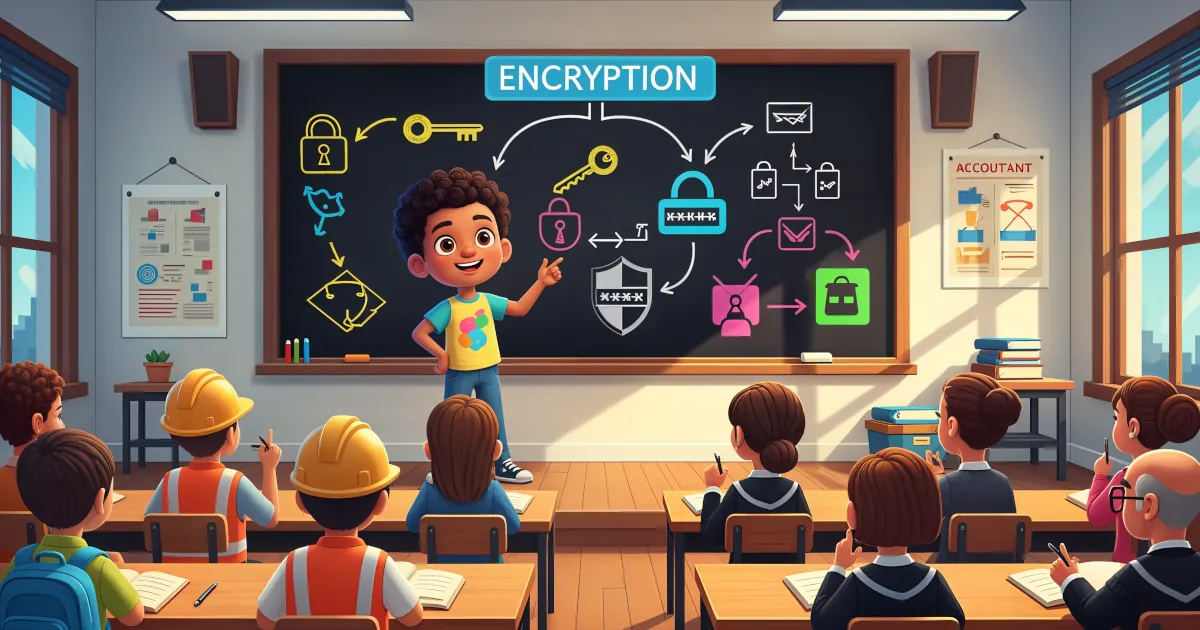
The word “encryption” can make your brain want to check out. It sounds like something only hackers in hoodies and government agencies deal with.
David Chen
If you use a password manager (and you should), one password protects all the others: your master password.
David Chen
Using a password manager means strong, unique passwords for every account, which is one of the best things you can do for your security.
David Chen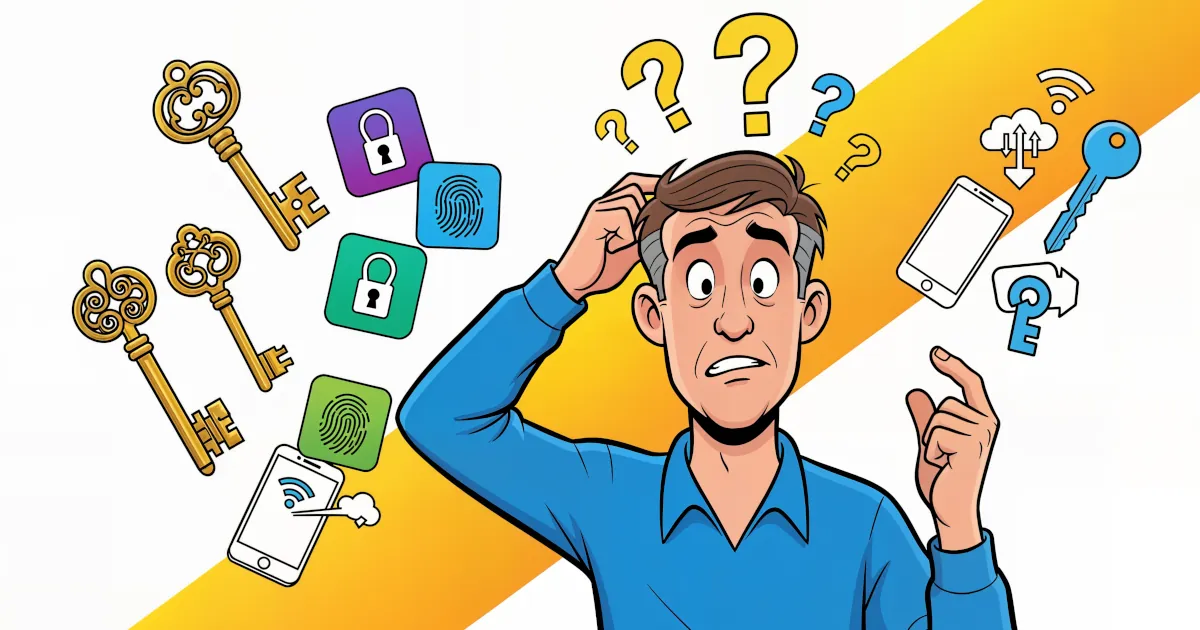
Passwords have had a good run and a terrible one. They’re hard to remember. Sites make you add symbols and numbers until the password looks like ancient runes. Then it leaks in a data breach anyway.
Emma Rodriguez
Phishing is the online version of someone who calls pretending to be your bank and asks for your PIN “for security reasons.” You’d hang up on that call. Online, people fall for it every day.
David Chen
If you’re still using the same password for multiple accounts, it’s time for an intervention.
David Chen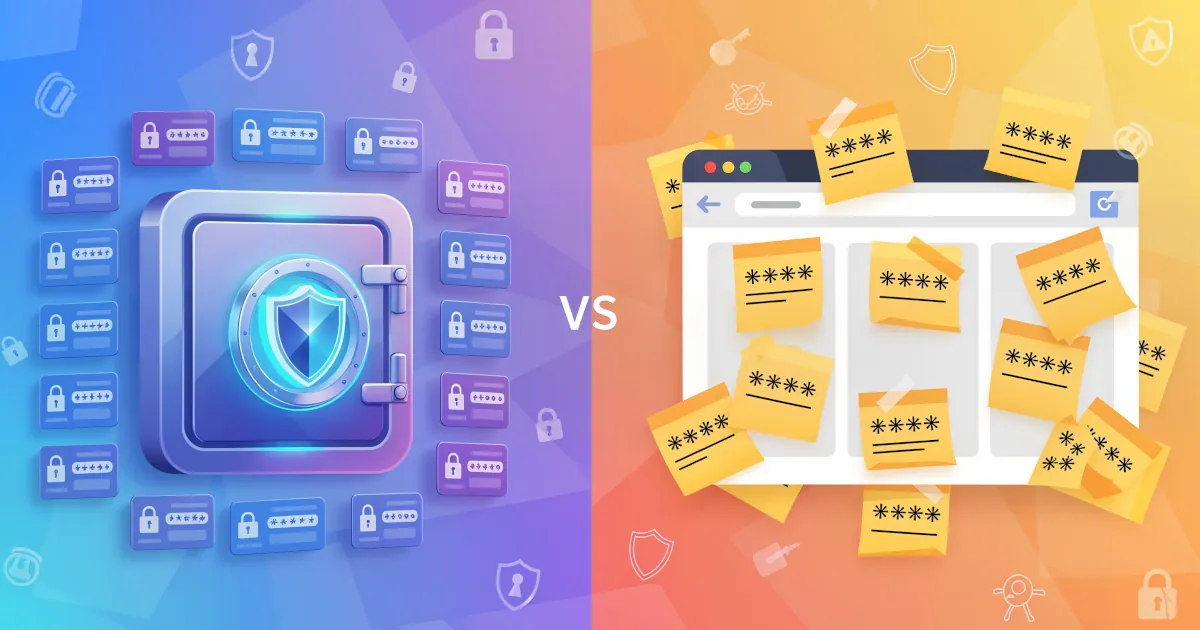
A password manager is usually a smarter choice than browser autofill, especially if you care about your accounts and your money.
Emma Rodriguez
If you’ve ever thought “I don’t trust password managers” while reusing the same three passwords everywhere, start here.
Sarah Mitchell
Passwords sent by text or email, or left on sticky notes, are about as safe as a house key taped to the front door. It might work for now, but one day it won’t.
Emma Rodriguez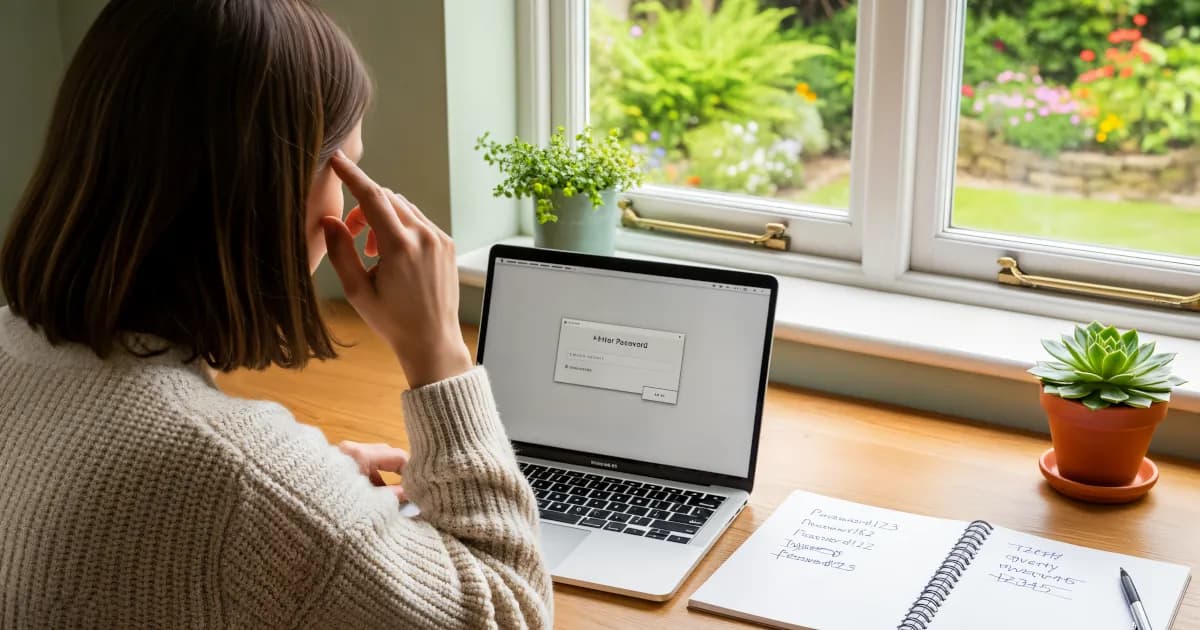
If you’re still using passwords like `Summer2024!` or the classic `Password123`, it’s time to let a password manager generate them for you.
Emma Rodriguez
Why each account needs its own password and how a password manager makes that easy to manage.
Sarah Mitchell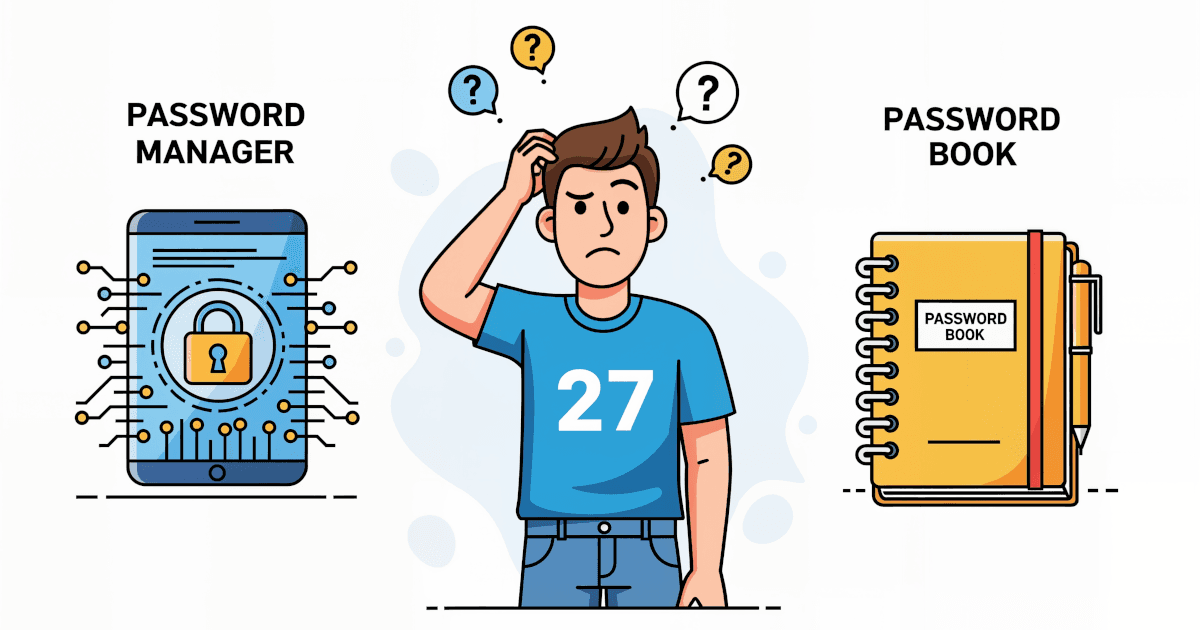
One is high-tech, the other old-school. Here is how password managers and password books compare on security, convenience, cost, accessibility and long-term use.
Sarah Mitchell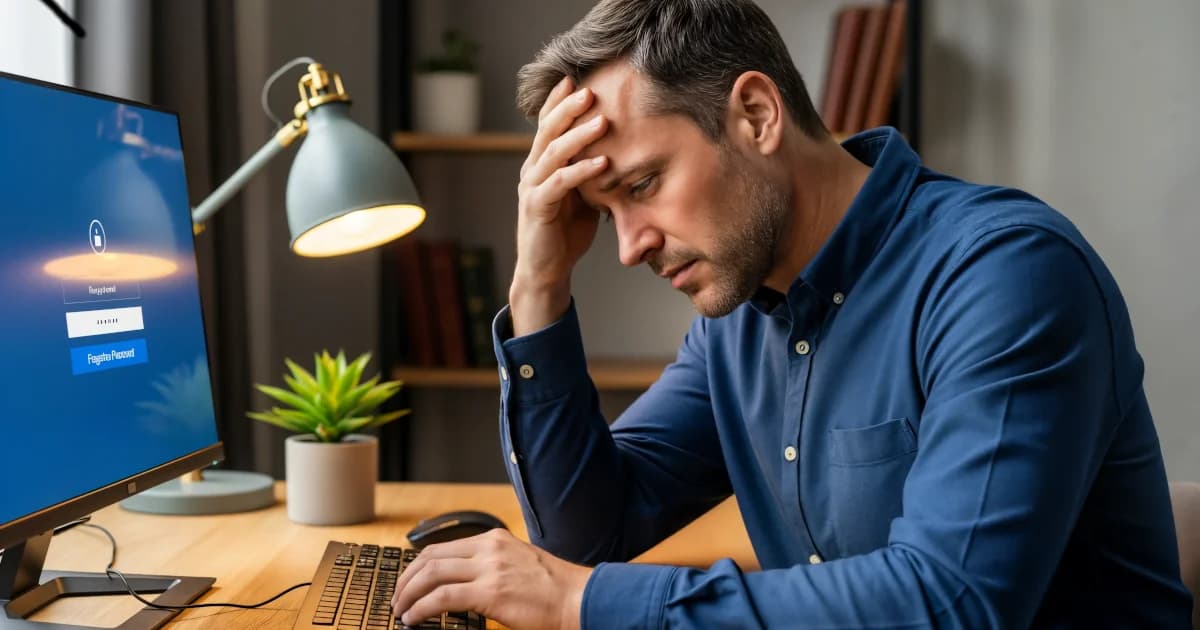
A password manager works like a digital vault for your passwords. Instead of trying to remember the 28 passwords you’ve made over the years (or worse, using "password123"), a password manager stores all of them for you.
Sarah Mitchell
Why password managers matter for online security, plus 7 reasons to start using one today.
Sarah Mitchell
How four password managers encrypt your vault, keep themselves out of it, and stand on breaches and price.
David Chen